
Foreword
Why This Article Exists
This article began with an unexpected conversation over dinner.
A numerologist happened to be dining at the same restaurant and offered to read several people at our table using Numerology and the Chinese Zodiac. I accepted with curiosity rather than expectation.
What followed was a remarkably accurate description of my personality, leadership style, natural motivations, career direction, and even significant periods of professional growth.
Whether that accuracy resulted from coincidence, intuition, pattern recognition, or something not yet fully understood was not the question that stayed with me.
The question was much simpler.
If ancient systems can help people better understand themselves, could they also help leaders better understand the people they lead?
That single question became the beginning of a much larger journey.
For more than three decades, I have recruited, trained, mentored, and led sales and marketing professionals across multiple industries and countries. During that time, one question has consistently challenged me.
Why do two people with similar experience, identical training, the same products, and equal opportunity achieve completely different results?
Leadership literature offers many answers. Skills matter. Experience matters. Emotional intelligence, coaching, company culture, incentive structures, and market conditions all influence performance. Modern psychology has also provided valuable tools that help leaders understand behaviour and build stronger teams.
Yet I have always believed there was another layer that deserved exploration.
Over the following months I began researching leadership psychology, organisational behaviour, Numerology, the Chinese Zodiac, personality assessment models, coaching frameworks, and team dynamics. My objective was never to prove that one system was superior to another.
Instead, I wanted to answer a practical leadership question.
Can these ancient frameworks provide additional insights that help leaders recruit better, coach more effectively, reduce conflict, develop future leaders, and build higher performing teams?
This article is the first step in answering that question.
It is written specifically for sales directors, founders, business owners, executives, marketing leaders, and anyone responsible for developing people.
It does not ask you to abandon evidence based leadership.
Nor does it ask you to accept ancient traditions as scientific fact.
Instead, it invites curiosity.
Throughout history, every civilisation has searched for ways to understand human nature. Modern psychology is one chapter of that story. Ancient symbolic systems are another.
Human Architecture™ brings these perspectives together.
Not to predict success.
Not to label people.
But to help leaders ask better questions, better understand those around them, and create environments where individuals and teams have the greatest opportunity to succeed.
If this framework helps even one leader better understand one employee, develop one future manager, or unlock one person's untapped potential, then this research will have achieved its purpose.
Welcome to Human Architecture™.
Introduction
The Leadership Question That Changed Everything
Every leader eventually reaches the same crossroads.
You can continue managing people based on resumes, interviews, qualifications, and performance reports, or you can begin understanding the people behind those achievements.
For decades, organizations have invested billions in recruitment, leadership development, personality assessments, and employee engagement. Despite these investments, many companies continue to struggle with the same challenges.
Why do talented people underperform?
Why do some individuals flourish under one manager but struggle under another?
Why do certain teams consistently outperform others despite having similar resources?
Why do some leaders naturally inspire trust while others create conflict?
These are not new questions.
For thousands of years, philosophers, physicians, scholars, military strategists, and spiritual traditions have searched for ways to better understand human nature. Every civilization developed its own framework for explaining why people think differently, communicate differently, solve problems differently, and respond differently under pressure.
Today, modern psychology offers evidence based models that help answer many of these questions. Alongside these scientific approaches, ancient symbolic systems such as Numerology and the Chinese Zodiac have endured for centuries and continue to be studied and practiced by millions of people around the world.
Whether one views these traditions as cultural heritage, symbolic archetypes, or something more, they represent long standing attempts to understand recurring patterns in human behaviour.
This article explores whether these ancient frameworks can offer practical value to modern leadership.
Not as replacements for evidence based hiring or performance management.
Not as tools for predicting success.
And certainly not as reasons to favour or reject individuals.
Instead, they are explored as optional leadership lenses that may help managers ask better questions, communicate more effectively, recognise natural tendencies, and create environments where people have the opportunity to perform at their best.
Throughout this article, one principle remains constant.
People are always greater than their profile.
No personality framework, psychological assessment, symbolic system, or leadership model can fully define the complexity of a human being.
Great leaders recognise patterns.
Exceptional leaders recognise individuals.
Human Architecture™ is built on the belief that the more perspectives we responsibly use to understand people, the better equipped we become to develop them.
The purpose of this article is therefore not to tell leaders who people are.
Its purpose is to help leaders better discover who people can become.
Chapter 1 — Why Great Leaders Study People
Every successful business is ultimately built on people.
Products can be copied.
Technology evolves.
Markets change.
Competitive advantages rarely last forever.
Yet organizations that consistently attract, develop, and retain exceptional people often outperform their competitors for decades.
The greatest leaders in history understood this principle.
They recognized that leadership is not simply about directing people toward objectives. It is about understanding what motivates individuals, how they think, how they communicate, how they respond to adversity, and what environment allows them to contribute at their highest level.
A leader who understands people builds stronger cultures.
A leader who only understands numbers manages performance but rarely unlocks potential.
Throughout my career, I have interviewed thousands of candidates and worked alongside people from different countries, cultures, religions, educational backgrounds, and industries.
One observation continued to repeat itself.
The best salesperson was not always the most experienced.
The best manager was not always the highest performer.
The most intelligent person was not always the most influential.
Technical competence explained only part of the story.
The remaining difference often came down to qualities that were much harder to measure.
- Character
- Self awareness
- Communication
- Adaptability
- Resilience
- Curiosity
- Purpose
- Emotional maturity
- Natural motivation
These qualities influence how people sell, negotiate, build trust, resolve conflict, learn new skills, and eventually become leaders themselves.
Modern leadership has developed many excellent methods for evaluating these qualities. Structured interviews, behavioural assessments, emotional intelligence, coaching models, and performance analytics all contribute valuable insights.
This article does not seek to replace any of them.
Instead, it asks whether additional perspectives may help leaders understand people more completely.
Imagine two equally capable sales consultants.
Both possess similar experience.
Both receive identical training.
Both understand the product.
Yet one thrives in highly competitive environments while the other performs best through long term relationship building.
One embraces uncertainty.
The other prefers structure.
One is motivated by recognition.
The other is motivated by mastery.
Neither is better.
They are simply different.
The responsibility of leadership is not to force every individual into the same mould.
It is to recognise those differences and position people where their natural strengths create the greatest value for themselves, their colleagues, and the organisation.
This is the central philosophy behind Human Architecture™.
Leadership begins with understanding.
Understanding creates trust.
Trust creates engagement.
Engagement creates performance.
Performance develops leaders.
The organisations that master this sequence do not simply build successful teams.
They build cultures where people have the opportunity to become the very best versions of themselves.
Chapter 2 — Why Traditional Hiring and Personality Assessments Are Not Enough
Recruiting the right people has always been one of leadership's greatest challenges.
Every year, organizations invest enormous amounts of time and money in attracting talent, conducting interviews, administering assessments, onboarding employees, and developing future leaders. Despite these investments, hiring mistakes remain common, employee turnover remains costly, and many organizations continue to place talented people into roles where they never reach their full potential.
The problem is not necessarily the people.
Often, the problem is the process.
Traditional recruitment focuses heavily on qualifications, experience, technical ability, and interview performance. While these factors are important, they rarely tell the complete story.
A résumé tells us what someone has done.
An interview tells us how well they present themselves.
References tell us how others experienced working with them.
Personality assessments attempt to explain behavioural preferences.
Performance data tells us what they have achieved.
Each of these provides valuable information.
Yet each represents only one piece of a much larger puzzle.
Consider a salesperson who consistently misses aggressive monthly targets but maintains exceptional client relationships. In one organization they may be considered an underperformer. In another, they may become the company's highest performing account manager.
The individual did not change.
The environment did.
Likewise, a creative marketer may struggle in a highly structured corporate department but thrive within an entrepreneurial startup where experimentation is encouraged.
Again, the issue is not capability.
It is alignment.
Great leaders understand that success is rarely determined by ability alone. It is created when a person's strengths, motivations, communication style, responsibilities, leadership, and environment are working together rather than against one another.
Modern assessment tools have made significant contributions toward understanding these factors.
- Behavioural profiling helps identify communication preferences.
- Emotional intelligence highlights interpersonal awareness.
- Strength assessments reveal areas where people naturally excel.
- Structured interviews reduce bias and improve hiring consistency.
These are valuable advances and should remain part of every professional leadership toolkit.
However, most assessment models are designed to measure behaviour at a particular point in time.
They do not always capture the deeper questions leaders ask every day.
- Why is this person motivated?
- How do they naturally respond under sustained pressure?
- What type of leader will bring out their best?
- Which colleagues are likely to complement their strengths?
- What environment allows them to flourish?
These are the questions that inspired the development of Human Architecture™.
Rather than replacing existing leadership tools, Human Architecture™ encourages leaders to widen their perspective by considering multiple dimensions of an individual.
- Character
- Values
- Experience
- Skills
- Behaviour
- Emotional intelligence
- Coachability
- Performance history
- Personal ambition
- And, where appropriate and welcomed by the individual, symbolic frameworks such as Numerology and the Chinese Zodiac.
The objective is not to create another personality test.
The objective is to help leaders make more informed, more compassionate, and more effective decisions about the people they lead.
Chapter 3 — Numerology as a Leadership Framework
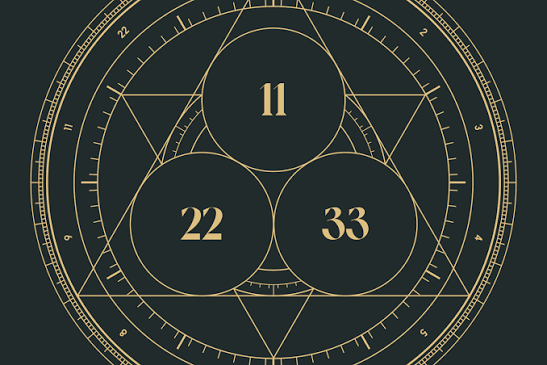
For thousands of years, Numerology has been used as a symbolic framework to understand personality, motivation, natural abilities, and life direction. While modern science has not established Numerology as a reliable predictor of workplace performance, many practitioners and individuals use it as a tool for self reflection and personal development.
For leaders, its value lies not in prediction, but in asking better questions.
One of the most useful concepts is the Expression Number, derived from a person's full birth name. In traditional Numerology, it is believed to represent how an individual naturally expresses their abilities, approaches challenges, and contributes to the world.
If used responsibly, the Expression Number can serve as an additional lens alongside interviews, experience, behavioural assessments, and demonstrated performance.
The Nine Leadership Archetypes
Expression Number 1
The Pioneer
Known Traits
- Independent
- Competitive
- Confident
- Ambitious
- Self driven
Natural Strengths
- Leadership
- Decision making
- Initiative
- Innovation
- Courage
Potential Weaknesses
- Impatient
- Dominating
- Resistant to advice
- Can become overly competitive
Best Sales Roles
- Business Development
- Territory Sales
- New Market Expansion
- Entrepreneurial Sales
- Team Leader
Best Marketing Roles
- Brand Launches
- Product Development
- Campaign Leadership
Ideal Environment
High autonomy, clear targets, freedom to make decisions.
Best Manager
A leader who trusts them, challenges them, and avoids micromanagement.
Best Coaching Style
Focus on outcomes rather than procedures. Give responsibility early.
Motivation
Achievement, recognition, winning, influence.
Leadership Insight
Expression Number 1 individuals often create opportunities where others see obstacles. Give them ownership, not excessive control.
Expression Number 2
The Diplomat
Known Traits
- Patient
- Cooperative
- Supportive
- Empathetic
- Detail conscious
Natural Strengths
- Listening
- Relationship building
- Collaboration
- Client retention
- Conflict resolution
Potential Weaknesses
- Avoids confrontation
- Sensitive to criticism
- Can hesitate when quick decisions are required
Best Sales Roles
- Account Management
- Customer Success
- Luxury Relationship Sales
- Client Experience
Best Marketing Roles
- Community Management
- Partnerships
- Customer Engagement
Ideal Environment
Stable teams with strong collaboration and long term relationships.
Best Manager
Supportive, respectful, and consistent.
Best Coaching Style
Private feedback, encouragement, and structured development plans.
Motivation
Belonging, appreciation, meaningful relationships.
Leadership Insight
Expression Number 2 individuals often become the emotional glue of high performing teams. Their greatest contribution is frequently measured in client loyalty rather than short term revenue.
Expression Number 3
The Communicator
Known Traits
- Creative
- Optimistic
- Charismatic
- Expressive
- Imaginative
- Social
- Inspiring
Natural Strengths
- Storytelling
- Public speaking
- Creativity
- Relationship building
- Persuasion
- Idea generation
- Brand advocacy
Potential Weaknesses
- Easily distracted
- Can lose focus on detail
- May overcommit
- Sometimes avoids routine work
- Emotionally reactive under prolonged stress
Communication Style
Expressive, enthusiastic, engaging, humorous, people focused.
Learning Style
Interactive learning, workshops, discussion, role play, practical application.
Leadership Style
Inspirational leader who motivates through vision, energy and communication.
Best Sales Roles
- Luxury Sales
- Presentation Sales
- Property Sales
- Relationship Sales
- Sales Trainer
- Business Development
Best Marketing Roles
- Branding
- Copywriting
- Content Creation
- Public Relations
- Social Media
- Video Marketing
- Event Marketing
Ideal Working Environment
Creative, collaborative, energetic and flexible with opportunities to present ideas.
Best Manager
A leader who encourages creativity while providing structure and accountability.
Best Coaching Style
Challenge creativity while reinforcing discipline and execution.
Motivation
Recognition, creativity, influence, meaningful contribution.
Demotivation
Micromanagement, repetitive work, excessive bureaucracy.
Behaviour Under Pressure
Initially optimistic but may become scattered if overwhelmed.
Conflict Style
Prefers discussion and resolution rather than confrontation.
Ideal Team Partners
Expression Numbers 1, 5, 6 and 8.
Leadership Potential
Excellent communicators who often become influential leaders, trainers and brand ambassadors.
Executive Summary
- Recruit for communication.
- Develop discipline.
- Allow creativity.
- Measure execution.
Expression Number 4
The Builder
Known Traits
- Reliable
- Practical
- Disciplined
- Organised
- Honest
- Patient
- Methodical
Natural Strengths
- Systems
- Planning
- Consistency
- Process improvement
- Risk management
- Operational excellence
Potential Weaknesses
- Resistant to rapid change
- Can become overly cautious
- Sometimes inflexible
- May struggle with ambiguity
Communication Style
Clear, logical, factual and structured.
Learning Style
Step by step instruction supported by repetition and measurable outcomes.
Leadership Style
Leads through consistency, preparation and example.
Best Sales Roles
- Enterprise Sales
- Procurement
- Technical Sales
- Sales Operations
- CRM Management
- Compliance
Best Marketing Roles
- Marketing Operations
- Analytics
- SEO
- Project Management
- Campaign Implementation
Ideal Working Environment
Well organised with defined objectives, procedures and long term planning.
Best Manager
A leader who communicates clearly, plans thoroughly and delivers consistency.
Best Coaching Style
Use structure, measurable milestones and continual improvement.
Motivation
Security, achievement, competence and mastery.
Demotivation
Chaos, poor planning and constantly changing priorities.
Behaviour Under Pressure
Usually remains calm but may become rigid when uncertainty increases.
Conflict Style
Prefers evidence, facts and logical discussion.
Ideal Team Partners
Expression Numbers 2, 6, 8 and 9.
Leadership Potential
Outstanding operational leaders who build scalable organisations.
Executive Summary
- Build systems.
- Protect quality.
- Reward consistency.
- Respect their preparation.
Expression Number 5
The Explorer
Known Traits
- Adaptable
- Curious
- Adventurous
- Energetic
- Persuasive
- Independent
- Dynamic
Natural Strengths
- Innovation
- Networking
- Opportunity recognition
- Negotiation
- Change management
- Fast decision making
Potential Weaknesses
- Easily bored
- May dislike routine
- Can overextend themselves
- Sometimes lacks follow through
Communication Style
Energetic, spontaneous, persuasive and engaging.
Learning Style
Hands on experience, experimentation and rapid feedback.
Leadership Style
Encourages innovation, calculated risk taking and continuous improvement.
Best Sales Roles
- Business Development
- International Sales
- Strategic Partnerships
- High Ticket Sales
- Expansion Markets
Best Marketing Roles
- Growth Marketing
- Digital Marketing
- Product Launches
- Viral Campaigns
- Innovation
Ideal Working Environment
Fast moving, entrepreneurial and open to experimentation.
Best Manager
A leader who provides freedom with clear accountability.
Best Coaching Style
Keep learning varied, practical and challenging.
Motivation
Freedom, growth, variety and opportunity.
Demotivation
Routine, rigid rules and excessive supervision.
Behaviour Under Pressure
Moves quickly and looks for opportunities, although occasionally acting before analysing.
Conflict Style
Direct and solution focused.
Ideal Team Partners
Expression Numbers 1, 3, 7 and 8.
Leadership Potential
Exceptional entrepreneurs, innovators and market disruptors.
Executive Summary
- Provide freedom.
- Expect innovation.
- Maintain accountability.
- Channel energy into measurable outcomes.
Expression Number 6
The Guardian
Known Traits
- Caring
- Responsible
- Loyal
- Patient
- Dependable
- Compassionate
- Protective
Natural Strengths
- Trust building
- Mentoring
- Coaching
- Team culture
- Customer relationships
- Conflict resolution
Potential Weaknesses
- Can take on too much responsibility
- Finds it difficult to delegate
- May avoid difficult conversations
- Can become emotionally invested
Communication Style
Warm, supportive, patient and encouraging.
Learning Style
Collaborative learning supported by practical coaching and mentoring.
Leadership Style
Servant leader who develops people before focusing on results.
Best Sales Roles
- Key Account Management
- Client Retention
- Customer Success
- Luxury Relationship Sales
- Referral Networks
Best Marketing Roles
- Brand Management
- Community Building
- Customer Experience
- Events
- Partnerships
Ideal Working Environment
Supportive, collaborative and values driven.
Best Manager
A leader who demonstrates trust, fairness and genuine appreciation.
Best Coaching Style
Focus on confidence, leadership development and relationship management.
Motivation
Purpose, contribution, appreciation and helping others succeed.
Demotivation
Toxic cultures, broken trust and poor leadership.
Behaviour Under Pressure
Protects the team and seeks stability, though may neglect personal wellbeing.
Conflict Style
Prefers mediation and long term resolution.
Ideal Team Partners
Expression Numbers 2, 4, 8 and 9.
Leadership Potential
Outstanding mentors, culture builders and long term organisational leaders.
Executive Summary
- Invest in people.
- Recognise loyalty.
- Develop leadership.
- Protect them from burnout.
Chapter 4 — The Chinese Zodiac as a Leadership Framework
For more than two thousand years, the Chinese Zodiac has been used throughout Asia as a traditional system for understanding personality, interpersonal relationships, decision making, and behavioural tendencies. Unlike Numerology, which traditionally focuses on an individual's name and birth date, the Chinese Zodiac assigns an archetype based on the year of birth, together with one of the Five Elements: Wood, Fire, Earth, Metal, or Water.
In traditional Chinese philosophy, these archetypes are believed to influence temperament, communication style, strengths, challenges, and compatibility with others.
Modern scientific research has not established the Chinese Zodiac as a reliable predictor of workplace performance or personality. However, many individuals continue to use it as a framework for self reflection and understanding interpersonal dynamics.
From a leadership perspective, the Zodiac becomes valuable when viewed as a conversation framework rather than a decision making tool.
Used responsibly, it encourages leaders to consider questions such as:
- Does this individual naturally prefer stability or change?
- Do they thrive independently or collaboratively?
- Are they naturally cautious or decisive?
- How do they typically respond under pressure?
- Which personalities might complement their working style?
These questions are often just as valuable as the answers.
The Twelve Leadership Archetypes
Rat
The Strategist
Known Traits
- Intelligent
- Resourceful
- Adaptable
- Observant
- Ambitious
- Financially aware
- Quick thinking
Natural Strengths
- Strategic planning
- Opportunity recognition
- Negotiation
- Networking
- Problem solving
- Commercial awareness
Potential Weaknesses
- Can become overly cautious
- Sometimes overthinks
- May appear calculating
- Can struggle to delegate
Communication Style
Diplomatic, persuasive and analytical.
Learning Style
Fast learner who enjoys solving practical business problems.
Leadership Style
Strategic, commercially focused and highly adaptable.
Best Sales Roles
- Business Development
- Investment Sales
- Commercial Negotiation
- International Sales
- Strategic Partnerships
Best Marketing Roles
- Market Strategy
- Campaign Planning
- Business Intelligence
- Growth Strategy
Ideal Working Environment
Dynamic organisations where initiative and strategic thinking are rewarded.
Best Manager
A leader who trusts their judgement and encourages innovation.
Best Coaching Style
Present challenges rather than instructions.
Motivation
Achievement, opportunity and financial growth.
Demotivation
Micromanagement and unnecessary bureaucracy.
Behaviour Under Pressure
Remains resourceful and looks for practical solutions.
Conflict Style
Strategic rather than emotional.
Traditional Compatible Signs
Dragon, Monkey and Ox.
Traditional Challenging Signs
Horse.
Leadership Potential
Excellent commercial leaders and business strategists.
Executive Summary
- Give them complex challenges.
- Allow strategic thinking.
- Reward initiative.
Ox
The Builder
Known Traits
- Reliable
- Disciplined
- Honest
- Patient
- Dependable
- Persistent
- Practical
Natural Strengths
- Long term planning
- Consistency
- Operational excellence
- Loyalty
- Process improvement
Potential Weaknesses
- Resistant to sudden change
- Can become stubborn
- May dislike uncertainty
Communication Style
Direct, calm and factual.
Learning Style
Structured learning supported by repetition and experience.
Leadership Style
Leads through consistency, discipline and example.
Best Sales Roles
- Enterprise Sales
- Account Management
- Procurement
- Commercial Property
Best Marketing Roles
- Operations
- Analytics
- CRM
- Campaign Management
Ideal Working Environment
Stable organisations with long term objectives.
Best Manager
A dependable leader who communicates clearly and consistently.
Best Coaching Style
Provide structure, measurable goals and steady development.
Motivation
Security, trust and long term achievement.
Demotivation
Poor planning and constant change.
Behaviour Under Pressure
Steady, composed and dependable.
Conflict Style
Patient but firm.
Traditional Compatible Signs
Snake, Rooster and Rat.
Traditional Challenging Signs
Goat.
Leadership Potential
Exceptional operational leaders who build sustainable organisations.
Executive Summary
- Trust their consistency.
- Respect their discipline.
- Develop adaptability.
Tiger
The Pioneer
Known Traits
- Courageous
- Competitive
- Charismatic
- Independent
- Passionate
- Confident
- Adventurous
Natural Strengths
- Leadership
- Innovation
- Courage
- Fast decision making
- Motivation
- Taking initiative
Potential Weaknesses
- Can become impulsive
- May resist authority
- Sometimes takes unnecessary risks
Communication Style
Bold, confident and inspiring.
Learning Style
Challenge based learning with real responsibility.
Leadership Style
Leads from the front through action and confidence.
Best Sales Roles
- Business Development
- New Market Expansion
- Luxury Sales
- Team Leadership
Best Marketing Roles
- Brand Launches
- Creative Campaigns
- Product Innovation
Ideal Working Environment
Fast paced, entrepreneurial and ambitious.
Best Manager
A leader who gives autonomy and recognises achievement.
Best Coaching Style
Challenge them with larger responsibilities.
Motivation
Achievement, influence and competition.
Demotivation
Micromanagement and repetitive routines.
Behaviour Under Pressure
Acts quickly and confidently.
Conflict Style
Direct and assertive.
Traditional Compatible Signs
Horse and Dog.
Traditional Challenging Signs
Monkey.
Leadership Potential
Strong entrepreneurial and inspirational leaders.
Executive Summary
- Give freedom.
- Reward courage.
- Coach patience.
Rabbit
The Diplomat
Known Traits
- Calm
- Elegant
- Diplomatic
- Thoughtful
- Compassionate
- Patient
- Trustworthy
Natural Strengths
- Relationship building
- Client care
- Mediation
- Emotional intelligence
- Team harmony
Potential Weaknesses
- Avoids confrontation
- Can become overly cautious
- Sometimes delays difficult decisions
Communication Style
Respectful, thoughtful and supportive.
Learning Style
Collaborative discussion supported by practical application.
Leadership Style
Builds trust before authority.
Best Sales Roles
- Client Relationships
- Key Accounts
- Customer Success
- Luxury Sales
Best Marketing Roles
- Brand Management
- Public Relations
- Community Management
- Customer Experience
Ideal Working Environment
Supportive cultures that value collaboration and long term relationships.
Best Manager
A respectful leader who values trust and communication.
Best Coaching Style
Build confidence while encouraging decisive action.
Motivation
Harmony, appreciation and meaningful relationships.
Demotivation
Conflict, toxic cultures and unnecessary pressure.
Behaviour Under Pressure
Protects relationships and seeks compromise.
Conflict Style
Diplomatic and solution focused.
Traditional Compatible Signs
Goat, Pig and Dog.
Traditional Challenging Signs
Rooster.
Leadership Potential
Outstanding people leaders, mentors and relationship builders.
Executive Summary
- Protect trust.
- Develop confidence.
- Encourage decisive leadership.
Monkey
The Innovator
Known Traits
- Intelligent
- Curious
- Witty
- Adaptable
- Inventive
- Charismatic
- Energetic
Natural Strengths
- Creative problem solving
- Innovation
- Negotiation
- Rapid learning
- Opportunity recognition
- Persuasion
Potential Weaknesses
- Can become restless
- May lose interest after solving a problem
- Sometimes challenges authority unnecessarily
- Can underestimate routine disciplines
Communication Style
Fast, engaging, humorous and intellectually stimulating.
Learning Style
Hands on experimentation, discussion and solving complex challenges.
Leadership Style
Leads through innovation, creativity and unconventional thinking.
Best Sales Roles
- Business Development
- Strategic Partnerships
- Technology Sales
- Startup Sales
- Innovation Consulting
Best Marketing Roles
- Creative Strategy
- Digital Marketing
- Viral Campaigns
- Product Innovation
- Brand Development
Ideal Working Environment
Entrepreneurial organisations that encourage experimentation and continuous improvement.
Best Manager
A leader who welcomes ideas while maintaining accountability.
Best Coaching Style
Challenge creativity while reinforcing execution and consistency.
Motivation
Freedom, learning, innovation and solving difficult problems.
Demotivation
Rigid bureaucracy, repetitive tasks and micromanagement.
Behaviour Under Pressure
Thinks quickly and often finds creative solutions.
Conflict Style
Intellectually competitive and sometimes provocative.
Traditional Compatible Signs
Rat and Dragon.
Traditional Challenging Signs
Tiger.
Leadership Potential
Excellent innovators, entrepreneurs and transformational thinkers.
Executive Summary
- Encourage innovation.
- Expect curiosity.
- Develop discipline.
Rooster
The Perfectionist
Known Traits
- Organised
- Confident
- Honest
- Disciplined
- Precise
- Reliable
- Detail oriented
Natural Strengths
- Planning
- Organisation
- Quality control
- Communication
- Professionalism
- Execution
Potential Weaknesses
- Can become overly critical
- May expect perfection
- Sometimes struggles with flexibility
Communication Style
Clear, confident and direct.
Learning Style
Structured learning with measurable standards.
Leadership Style
Leads through preparation, discipline and excellence.
Best Sales Roles
- Enterprise Sales
- Commercial Sales
- Sales Management
- Compliance
- Key Accounts
Best Marketing Roles
- Brand Standards
- Campaign Management
- Project Leadership
- Marketing Operations
Ideal Working Environment
Professional organisations with clear expectations and high standards.
Best Manager
A leader who appreciates precision and rewards excellence.
Best Coaching Style
Provide measurable feedback and recognise achievement.
Motivation
Achievement, professionalism and recognition.
Demotivation
Disorganisation, poor standards and inconsistency.
Behaviour Under Pressure
Focuses intensely on solving problems correctly.
Conflict Style
Direct and evidence based.
Traditional Compatible Signs
Ox, Snake and Dragon.
Traditional Challenging Signs
Rabbit.
Leadership Potential
Strong operational leaders with exceptional execution capability.
Executive Summary
- Maintain standards.
- Reward excellence.
- Develop flexibility.
Dog
The Guardian
Known Traits
- Loyal
- Honest
- Protective
- Fair
- Dependable
- Ethical
- Courageous
Natural Strengths
- Building trust
- Leadership
- Teamwork
- Integrity
- Crisis management
- Customer relationships
Potential Weaknesses
- Can become overly protective
- Sometimes pessimistic
- May find it difficult to trust quickly
Communication Style
Honest, straightforward and respectful.
Learning Style
Learning through experience, mentoring and practical coaching.
Leadership Style
Leads through integrity, fairness and service.
Best Sales Roles
- Relationship Management
- Key Accounts
- Luxury Sales
- Client Advisory
- Leadership
Best Marketing Roles
- Corporate Communications
- Brand Trust
- Customer Experience
- Community Relations
Ideal Working Environment
Values driven organisations built on trust and transparency.
Best Manager
A leader who demonstrates integrity and consistency.
Best Coaching Style
Encourage confidence while expanding strategic thinking.
Motivation
Purpose, loyalty and protecting the team.
Demotivation
Dishonesty, politics and unethical leadership.
Behaviour Under Pressure
Protects colleagues and remains dependable.
Conflict Style
Direct but principled.
Traditional Compatible Signs
Tiger, Horse and Rabbit.
Traditional Challenging Signs
Dragon.
Leadership Potential
Outstanding leaders in organisations where trust and culture are paramount.
Executive Summary
- Lead with integrity.
- Reward loyalty.
- Develop strategic confidence.
Pig
The Contributor
Known Traits
- Generous
- Honest
- Patient
- Optimistic
- Compassionate
- Reliable
- Open minded
Natural Strengths
- Relationship building
- Collaboration
- Customer service
- Mentoring
- Team culture
- Emotional intelligence
Potential Weaknesses
- Can be overly trusting
- May avoid confrontation
- Sometimes sacrifices personal interests for others
Communication Style
Warm, genuine and supportive.
Learning Style
Supportive coaching, collaboration and practical experience.
Leadership Style
Leads through generosity, trust and inclusion.
Best Sales Roles
- Customer Success
- Account Management
- Luxury Client Services
- Referral Development
- Community Sales
Best Marketing Roles
- Customer Experience
- Brand Loyalty
- Events
- Community Engagement
- Partnerships
Ideal Working Environment
Supportive, collaborative organisations with strong ethical values.
Best Manager
A leader who demonstrates appreciation, fairness and respect.
Best Coaching Style
Build confidence while encouraging stronger decision making.
Motivation
Helping others, meaningful work and long term relationships.
Demotivation
Manipulation, conflict and toxic cultures.
Behaviour Under Pressure
Remains supportive and seeks practical solutions.
Conflict Style
Prefers cooperation before confrontation.
Traditional Compatible Signs
Rabbit and Goat.
Traditional Challenging Signs
Snake.
Leadership Potential
Excellent mentors, culture builders and servant leaders.
Executive Summary
- Protect trust.
- Develop confidence.
- Channel compassion into leadership.
Chapter Summary
Traditional Chinese philosophy teaches that every Zodiac sign contributes different strengths to a community.
Human Architecture™ applies the same philosophy to organisations.
High performing teams are rarely built from identical personalities.
- Visionaries need Builders.
- Innovators need Executors.
- Relationship builders need Strategists.
- Creative thinkers need disciplined operators.
The role of a leader is not to surround themselves with people who think the same way.
It is to assemble complementary strengths, minimise unnecessary friction, and create a culture where different personalities work toward a common purpose.
When viewed through this lens, the Chinese Zodiac becomes less about prediction and more about understanding, communication and intentional team design.
Related Leadership Articles
Continue Your Research
Institutional Leadership & Commercial Excellence™ Executive Manual
Leadership philosophy, organisational design and governance.
Institutional Sales Training Manual™
Eighteen chapters on institutional selling.
Institutional Sales Leadership™ Programme
Fifty modules across leadership, teams and the sales engine.
Why Every Real Estate Business Should Segment Its Buyers
Mandate-led selling for commercial teams.