
Phuket Market Intelligence · Cornerstone · 2026
Why Invest in Phuket?
The Complete Phuket Property Investment Guide.
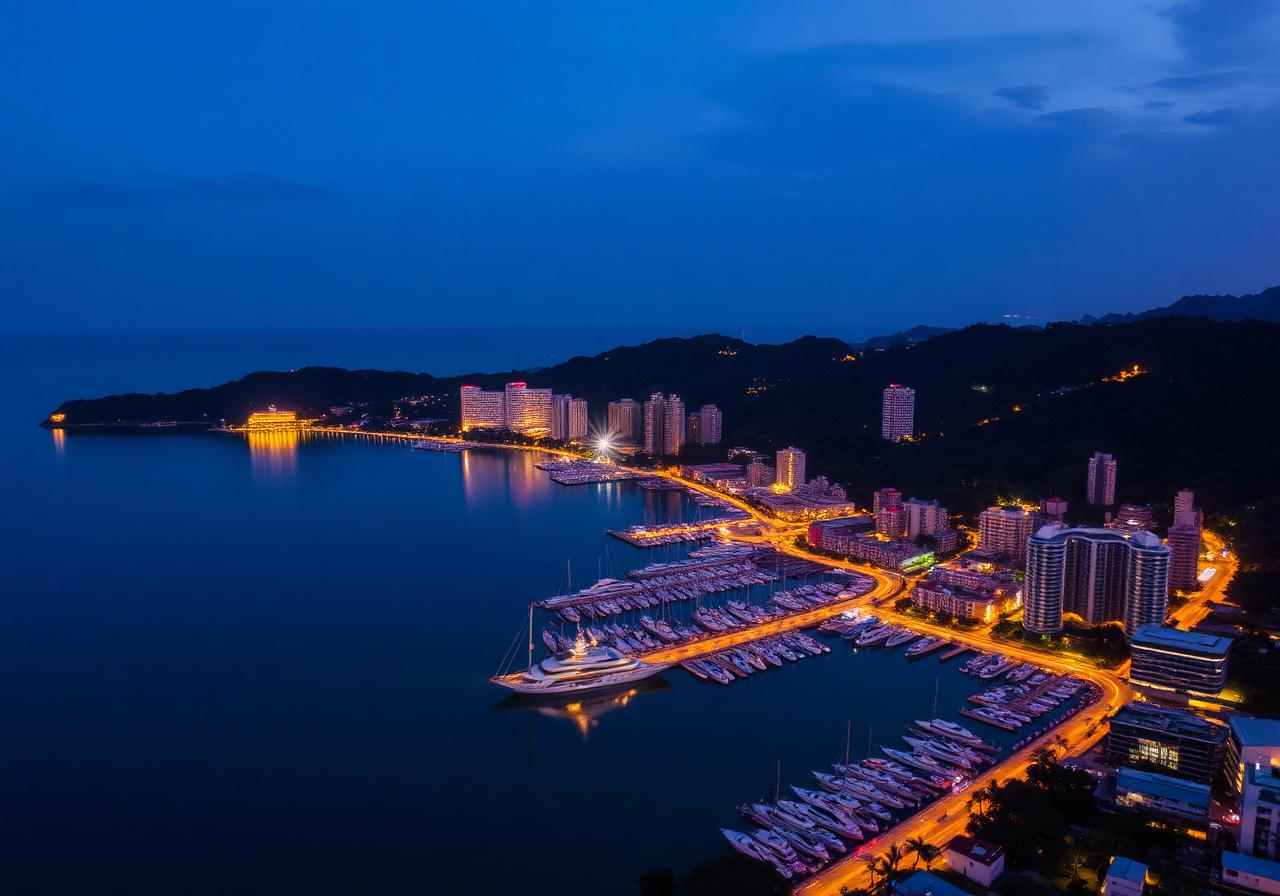
Phuket is Thailand's largest tourism market, one of Asia's most established resort destinations, and the country's strongest international real estate investment market. For investors seeking income, capital growth, lifestyle benefits, retirement planning or wealth preservation, Phuket offers one of the most compelling risk-adjusted property opportunities in Southeast Asia.
01 The Why Invest in Phuket Thesis
Why why invest in phuket merits institutional attention.
- 01
Global, Not Local Demand
Phuket is driven by international purchasing power from Europe, Australia, the Middle East, Russia, China, India and Southeast Asia — not local wages.
- 02
Tourism-Backed Cashflow
Phuket is Thailand's largest tourism destination, with strong occupancy, rising ADRs and rental demand supporting income markets.
- 03
Scarcity-Driven Growth
Beachfront and prime land supply is finite. Luxury, branded and resort-managed product continues to absorb international capital.
- 04
Affordability Advantage
Pricing remains materially below comparable global resort markets — Singapore, Hong Kong, Dubai, Sydney, London, Miami.
Why Invest in Phuket · Market Signals
Largest visitor base of any Thai destination.
Income, capital growth, retirement, family office and lifestyle.
Income markets, capital growth markets, emerging opportunity markets.
Structural scarcity underpins long-term appreciation.
Section 1 · Executive Summary
Why Phuket matters.
Why Phuket matters.
Most property markets are driven by local demand. Phuket is different. Phuket is driven by global demand.
Visitors arrive from Europe, Australia, Russia, the Middle East, China, India and Southeast Asia, creating a diversified tourism economy that supports hotels, villas, branded residences, restaurants, healthcare, retail and infrastructure.
The result is a property market supported by international purchasing power rather than local wages — driven by tourism growth, expanding infrastructure, increasing international demand, limited beachfront land supply and a growing luxury property sector.
Phuket has evolved from a holiday destination into a globally recognised investment market. See the Phuket Property Investment pillar for the full intelligence centre.
Section 2 · Fact Sheet
Phuket real estate & tourism fact sheet.
Phuket real estate & tourism fact sheet.
Phuket at a glance
- Thailand's largest tourism destination
- International airport with direct global connections
- One of Asia's leading luxury resort markets
- Major destination for retirees, digital nomads and high-net-worth individuals
- Established branded residence market
- Strong foreign ownership demand
- Limited beachfront land supply
- Significant infrastructure investment pipeline
Phuket tourism statistics
Tourism remains the primary driver of Phuket's property market. Key indicators investors should monitor include international visitor arrivals, hotel occupancy rates, average daily room rates, tourism spending, flight capacity growth, infrastructure investment and foreign buyer activity. Tourism growth directly influences rental demand, property values and investor confidence.
Section 3 · Market Overview
Three investment themes.
Three investment themes.
The Phuket market can be divided into three broad investment themes.
Income markets
Areas with the strongest rental demand and highest occupancy rates: Bang Tao / Laguna, Patong, Kamala, Rawai and Nai Harn.
Capital growth markets
Areas benefiting from luxury development, scarcity and international demand: Laguna, Bang Tao, Kamala, Patong, Millionaires Mile and Layan.
Emerging opportunity markets
Areas expected to experience future growth due to infrastructure, scarcity and relative affordability: Nai Yang, Kamala, Kata, Rawai and Nai Thon.
Section 4 · Micro Market Strength
Phuket micro market analysis.
Phuket micro market analysis.
Not all Phuket locations perform equally. Different areas attract different investor profiles.
Bang Tao & Laguna
Best for: capital growth, luxury buyers, family offices, branded residences.
Strengths: strongest overall fundamentals, largest concentration of luxury developments, international school access, infrastructure investment, high international demand. See the Bang Tao intelligence brief.
Patong
Best for: rental income, short-term holiday rentals, tourism-driven cashflow.
Strengths: Phuket's largest tourism market, strong occupancy, high rental demand, established entertainment district. See the Patong intelligence brief.
Kamala
Best for: capital growth, luxury villas, wealth preservation.
Strengths: Millionaires Mile, luxury hospitality, scarcity-driven growth, international buyer appeal. See the Kamala intelligence brief and Millionaires Mile guide.
Rawai & Nai Harn
Best for: long-stay rentals, retirement investors, lifestyle buyers.
Strengths: strong expat community, consistent occupancy, affordable luxury, growing international demand. See the Rawai and Nai Harn intelligence briefs.
Nai Yang & Nai Thon
Best for: emerging growth, long-term appreciation, early-cycle investors.
Strengths: airport expansion, beachfront scarcity, lower entry pricing, infrastructure improvements. See the Nai Yang investment guide and Nai Yang beachfront case study.
Section 5 · Price Map
Phuket property price map.
Phuket property price map.
Premium markets
Millionaires Mile, Kamala, Layan, Laguna, Bang Tao — highest entry prices but strongest prestige positioning.
Mid-tier growth markets
Rawai, Nai Harn, Kata, Karon — balanced affordability and growth potential.
Emerging value markets
Nai Yang, Nai Thon, Mai Khao — potential future growth opportunities.
Section 6 · Affordability
Phuket's affordability advantage.
Phuket's affordability advantage.
Compared with many global resort markets, Phuket remains relatively affordable. Investors can often acquire beachfront condominiums, luxury villas, branded residences and resort-managed properties at significantly lower entry prices than comparable assets in Singapore, Hong Kong, Dubai, Sydney, London and Miami.
This affordability gap creates long-term growth potential as Phuket continues attracting international wealth. See the Global ROI Comparison for the cross-market view.
Section 7 · Why Now
Why invest in Phuket now.
Why invest in Phuket now.
Several structural factors are supporting the current investment cycle.
- Tourism recovery: visitor numbers continue to recover and expand.
- Infrastructure investment: airport expansion, road improvements and public infrastructure support long-term growth.
- International demand: global buyers continue entering the market.
- Limited land supply: beachfront and prime development land remains finite.
- Branded residences growth: international hospitality brands continue expanding in Phuket.
- Relative affordability: pricing remains attractive compared with major global resort markets.
Section 8 · Investor Profiles
Which investor profile fits Phuket best.
Which investor profile fits Phuket best.
Phuket is particularly attractive for income investors, capital growth investors, retirement investors, family office investors and lifestyle investors. The market offers opportunities across multiple investment strategies, making it one of Thailand's most versatile property markets.
Identify your profile in the Understanding Your Investor Identity framework, then explore the investor profile assessment to map identity to mandate.
Section 9 · Core Investments House View
Core Investments house view.
Core Investments house view.
Phuket remains Thailand's strongest tourism-backed real estate market.
- Bang Tao and Laguna continue to offer the strongest overall investment fundamentals.
- Patong remains Phuket's largest rental demand market.
- Kamala and Millionaires Mile remain among Phuket's strongest luxury capital growth locations.
- Nai Yang represents one of Phuket's most compelling emerging growth opportunities.
Investors should focus on demand drivers, supply constraints and long-term market fundamentals rather than short-term speculation.
Investor Questions
Why Invest in Phuket, frequently asked questions.
Q01Why is Phuket Thailand's strongest international property market?
Phuket is driven by global rather than local demand. Visitors arrive from Europe, Australia, Russia, the Middle East, China, India and Southeast Asia, creating a diversified tourism economy that supports international purchasing power, branded residences and a luxury property sector.
Q02Which Phuket submarkets offer the strongest capital growth?
Bang Tao, Laguna, Kamala, Layan and the Millionaires Mile cluster offer the strongest capital growth fundamentals, driven by luxury development, branded residences, scarcity of beachfront land and international demand.
Q03Which Phuket submarkets are best for rental income?
Patong is Phuket's largest rental demand market. Bang Tao, Laguna, Kamala, Rawai and Nai Harn also generate consistent occupancy, particularly for hotel-managed villas and turnkey resort residences.
Q04Where are Phuket's emerging growth opportunities?
Nai Yang, Nai Thon, Mai Khao, Kata, Karon and the airport-adjacent corridor represent emerging value markets benefiting from infrastructure investment, beachfront scarcity and lower entry pricing.
Q05Is Phuket affordable compared with global resort markets?
Yes. Beachfront condominiums, luxury villas and branded residences in Phuket are priced significantly below comparable assets in Singapore, Hong Kong, Dubai, Sydney, London and Miami. That affordability gap is a key driver of long-term appreciation.
Q06Which investor profiles fit Phuket best?
Income investors, capital growth investors, retirement investors, family office investors and lifestyle investors. Phuket is one of Thailand's most versatile property markets, with strategies available across income, growth, retirement and wealth preservation mandates.
Reader Q&A
Investor Questions & Answers
Ask a question about Why Invest in Phuket. Approved questions are published below with Core Investments’ response.
Loading questions…
Ask a question
Questions are reviewed before publication. Your email is never shown publicly.
Sources & References
Where this research draws its data (4)
Sources & References
Where this research draws its data (4)
Core Investments cites only published institutional sources. Figures referenced on this page are drawn from, or cross-checked against, the institutions listed below. For our editorial standards and source-vetting process, see our research methodology.
- [1]
Tourism Authority of Thailand (TAT) / Ministry of Tourism & Sports
International Tourist Arrivals to Thailand · 2024
https://www.mots.go.th/ → - [2]
World Travel & Tourism Council (WTTC)
Economic Impact Reports, Thailand · 2024
https://researchhub.wttc.org/ → - [3]
- [4]
JLL Hotels & Hospitality
Hotel Investment Outlook. Asia Pacific (Annual) · 2024
https://www.jll.com/en/insights/research →
Sources last reviewed 2026-06-14
Share this research
Direct Access
Speak with Frank about why invest in phuket.
Request a confidential Phuket investment briefing — submarket selection, ownership structure, comparable transactions and live opportunities mapped to your investor profile and mandate.
- Frank Satar
- Chief Founder & Research Director
- Australia
- +61 494 651 747
- Thailand / WhatsApp
- +66 65 551 3269
© Core Investments Research | Frank Satar
Research produced by Core Investments. Reproduction or redistribution without written permission is prohibited.