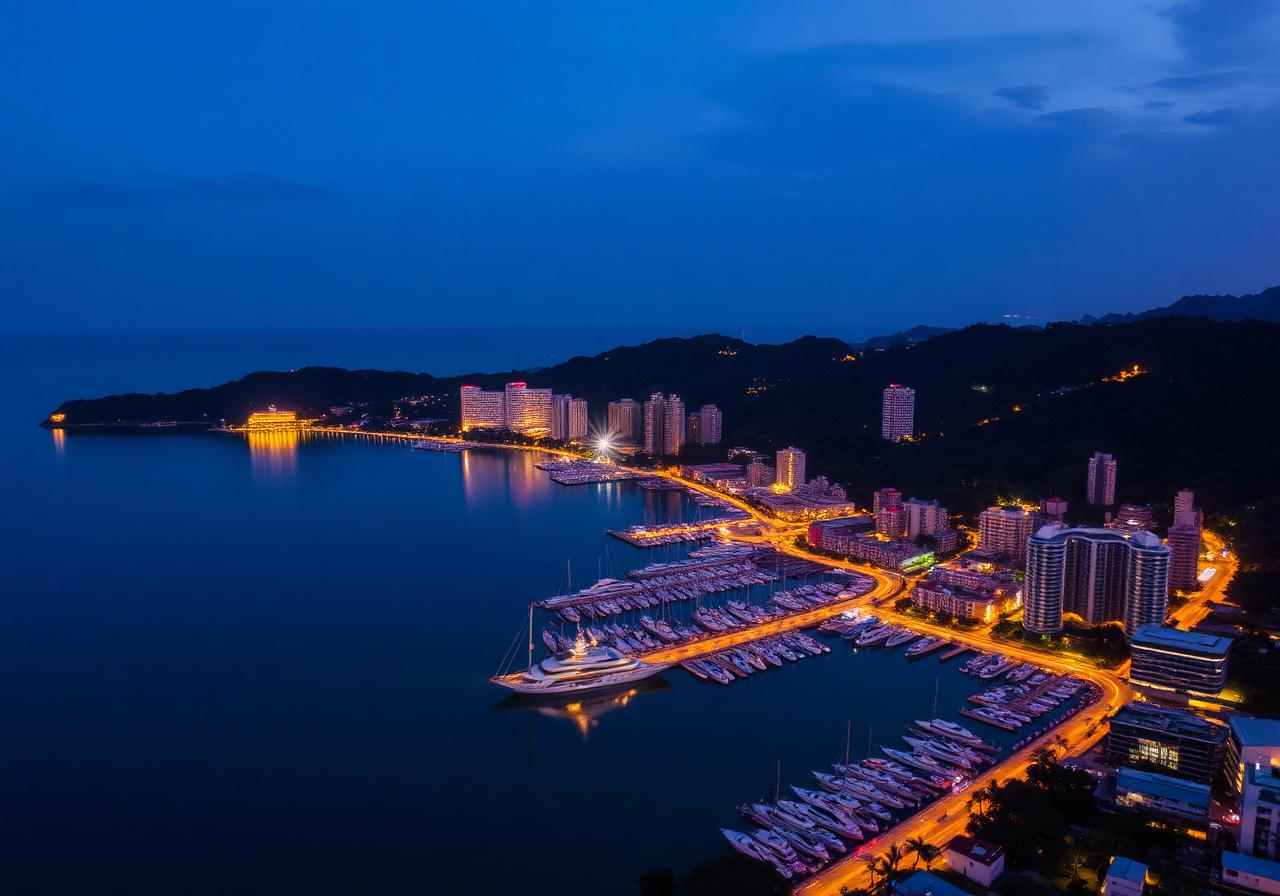

Phuket · Submarket Guide
Rawai, the long-stay
capital of Phuket.
Rawai is the most lived-in of Phuket's investment submarkets. A cosmopolitan, year-round resident community, complete infrastructure and credible long-stay rental demand combine to produce a hybrid lifestyle-plus-yield profile that is genuinely different from the rest of the island.
01 The Rawai Property Investment Thesis
Why rawai property investment merits institutional attention.
- 01
Year-Round Demand
Long-stay tenant base reduces seasonality compared with short-stay-only zones.
- 02
Villa-Led Stock
Two- to four-bedroom modern pool villas dominate the credible investment stock.
- 03
Hybrid Use
Strong owner-occupier appeal supports a lifestyle-plus-rental thesis.
- 04
Improving Infrastructure
Marina access, road upgrades, schools and healthcare anchor the resident economy.
Rawai Property Investment · Market Signals
Multi-month tenancy from international residents.
Modern 2-4 bedroom pool villas, hillside or near-beach.
Families, retirees, wellness-oriented professionals.
Owner use plus rental, common combination.
Submarket Overview
A genuine community, not just a tourism zone.
Rawai sits in southern Phuket, near the marinas and within reach of Nai Harn, Chalong and the international school catchment. The defining feature is its resident community, a long-standing, internationally diverse population that uses the area year round, not seasonally.
For investors, that translates into a different demand curve from the west-coast tourism zones. Occupancy and pricing are less cyclical, but the asset selection, modern villa product in the right pocket, matters more here than in operator-led corridors.
Investor Fit Snapshot
Rawai at a glance, for decision-scanning.
- Typical Buyer
- Hybrid lifestyle and long-stay income investor, often with personal use 2–6 weeks a year.
- Primary Objective
- Long-stay rental income with credible owner-occupier resale exit.
- Cash Flow Potential
- Moderate to strong on long-stay tenancies in well-selected villa product.
- Capital Growth Potential
- Moderate, driven by resident-economy infrastructure rather than trophy scarcity.
- Liquidity
- Moderate. Resale into owner-occupier pool; thinner than Bang Tao branded product.
- Risk Level
- Moderate. Asset selection and management discipline are the dominant return drivers.
- Suitable For
- Hybrid lifestyle investors, long-stay rental specialists, families and retiree buyers.
- Not Suitable For
- Investors needing operator-managed pooled income or trophy resale liquidity.
Demand Drivers
Long-stay tenants, families and lifestyle buyers.
Long-stay rental. Multi-month tenancies from Europeans, Russians, Australians, retirees and remote professionals dominate the rental ledger. Family demand. Proximity to international schools, healthcare and wellness infrastructure supports stable family-occupier tenancies. Owner-occupier resale. The same drivers underwrite a credible owner-occupier resale market, which is meaningful at exit.
Asset Types
Modern villas in the right pocket.
The most credible investment stock is modern, well-designed two- to four-bedroom pool villas, either on hillside parcels with elevation and view, or in walkable near-beach pockets. Apartment product exists but is thinner and less differentiated; investors who want managed-apartment exposure on Phuket are typically better served in Bang Tao or Patong.
Risks & Cautions
Asset selection is the dominant risk.
Asset selection. The absence of deep operator competition means design, layout, build quality and management discipline drive realised returns. Management. Long-stay rental requires reliable, transparent property management; weak operators erode net yield quickly. Ownership structure. Villa investments default to leasehold or company structures more often than apartment investments, which needs explicit underwriting against the exit plan.
How To Underwrite
Frame the asset as hybrid, not pure-yield.
Model Rawai in the Total Return Calculator as a hybrid lifestyle-plus-yield asset, with a long-stay rental assumption rather than a short-stay one, a realistic management cost, and a five-to-ten-year hold. The exit should be modelled into the owner-occupier resale pool, not the trophy or operator-led pools.
Investor Questions
Rawai Property Investment, frequently asked questions.
- Q01
- Why is Rawai considered Phuket's long-stay capital?
- Rawai has a cosmopolitan, year-round resident community of Europeans, Russians, Australians, retirees and digital professionals, alongside families and wellness-oriented travellers. That demographic supports long-stay rental occupancy that holds up better outside high season than short-stay-only zones.
- Q02
- What asset type tends to perform best in Rawai?
- Modern two- to four-bedroom pool villas, particularly with hillside or near-beach positioning, have historically combined the strongest long-stay rental performance with stable owner-occupier resale demand. Apartment product is thinner and less differentiated.
- Q03
- How does Rawai compare to Bang Tao?
- Rawai is a hybrid lifestyle, long-stay and family-resident submarket; Bang Tao is the operator-led branded-residence core. Rawai typically offers better value per square metre and stronger long-stay yield; Bang Tao offers deeper international resale liquidity and more operator-managed product.
From research to numbers
Model a Rawai hybrid villa scenario.
Use a long-stay rental assumption, realistic management cost and a five-to-ten-year hold.
Model Rawai ReturnsIllustrative scenarios using calculator default assumptions. Outcomes vary with market conditions, operator performance and investor inputs.
Share this research
Direct Access
Speak with Frank about rawai property investment.
Request a confidential briefing on current rawai property investment opportunities, market intelligence and acquisition strategy.
- Frank Satar
- Chief Founder & Research Director
- Australia
- +61 494 651 747
- Thailand / WhatsApp
- +66 65 551 3269
Sources & References
Where this research draws its data.
Core Investments cites only published institutional sources. Figures referenced on this page are drawn from, or cross-checked against, the institutions listed below. For our editorial standards and source-vetting process, see our research methodology.
- [1]
Tourism Authority of Thailand (TAT) / Ministry of Tourism & Sports
International Tourist Arrivals to Thailand · 2024
https://www.mots.go.th/ → - [2]
World Travel & Tourism Council (WTTC)
Economic Impact Reports, Thailand · 2024
https://researchhub.wttc.org/ → - [3]
- [4]
Savills
Asia Pacific Investment Quarterly & Thailand Spotlight · 2024
https://www.savills.com/research/ →
Sources last reviewed 2026-06-14
Disclosures
Important information.
Capital appreciation disclaimer
Capital appreciation examples and growth projections are illustrative only and should not be interpreted as predictions or guarantees of future performance. Property values may rise or fall and are influenced by market conditions, supply, demand, economic factors, regulatory changes and investor sentiment.
Rental return disclaimer
Rental income examples, occupancy assumptions and yield illustrations are provided for educational purposes only. Actual rental performance may vary based on market conditions, occupancy levels, operator performance, seasonality, competition, economic conditions and other factors. Rental returns are not guaranteed unless expressly stated within a legally binding agreement.
Forecast disclaimer
Forecasts, projections and forward-looking statements are based on information available at the time of publication and involve assumptions that may not materialise. Future events may differ significantly from projected outcomes.
General disclaimer
Core Investments provides investment education, market intelligence, research and transaction-support services. Information published on this website is general in nature and does not constitute financial, investment, legal, tax or accounting advice, or personal recommendations. Investors should seek independent professional advice appropriate to their individual circumstances before making any investment decision. Past performance is not indicative of future results.
© Core Investments Research | Frank Satar
Research produced by Core Investments. Reproduction or redistribution without written permission is prohibited.